Embark on a journey to become a fashion designer, where creativity meets opportunity. Dive into the world of fashion design with this insightful guide that unravels the steps to achieving your dreams in the industry.
From understanding the basics to honing your skills, this comprehensive overview will equip you with the knowledge needed to thrive in the competitive world of fashion.
Introduction to Fashion Design
Fashion design is the art of creating clothing and accessories that are not only aesthetically pleasing but also functional and in line with current trends. It plays a crucial role in the industry by shaping the way people dress and express themselves. Fashion designers are responsible for conceptualizing and creating unique designs that resonate with consumers.
Role of a Fashion Designer
Fashion designers are tasked with translating their creative vision into wearable garments. They must have a keen eye for detail, a strong sense of color and proportion, and the ability to stay ahead of trends. In addition to their design skills, fashion designers must also possess strong communication and business acumen to navigate the competitive industry.
Skills Required in Fashion Design
- Proficiency in drawing and sketching
- Knowledge of textiles and garment construction
- Ability to forecast trends and understand consumer preferences
- Strong communication and presentation skills
- Business acumen and understanding of the industry
Famous Fashion Designers and Their Impact
Coco Chanel
Known for her timeless designs and introduction of the little black dress.
Gianni Versace
Revolutionized the fashion industry with bold prints and daring designs.
Alexander McQueen
Pushed boundaries with his avant-garde creations and theatrical runway shows.
Steps to Become a Fashion Designer
Becoming a successful fashion designer requires dedication, creativity, and a solid educational foundation. Here are the key steps to kickstart your career in fashion design:
Educational Requirements
To pursue a career in fashion design, a formal education is essential. Consider enrolling in a reputable fashion design program at a university or art school. Courses in design, sewing, pattern making, and textiles will provide you with the necessary skills and knowledge to excel in the field.
Importance of Gaining Experience
Internships or apprenticeships play a crucial role in gaining hands-on experience in the industry. Working alongside seasoned professionals will give you valuable insights into the day-to-day operations of a fashion design studio. Additionally, internships provide networking opportunities that can help you land a job after graduation.
Building a Strong Portfolio
A strong portfolio is key to showcasing your creativity and skills as a fashion designer. Include a diverse range of work, such as sketches, garment construction, and completed projects. Your portfolio should reflect your unique style and aesthetic vision, demonstrating your ability to conceptualize and execute innovative designs.
Developing Fashion Design Skills
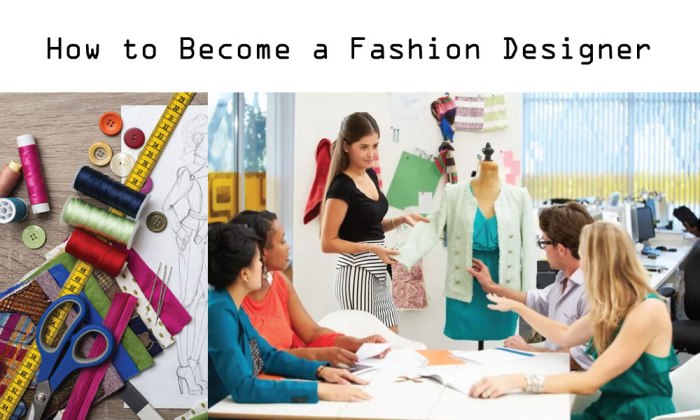
Developing essential skills is crucial for excelling as a fashion designer. Here are some key skills to focus on:
Sketching
- Sketching is the foundation of bringing your design ideas to life.
- Practice sketching regularly to improve your ability to communicate your vision visually.
- Experiment with different styles and techniques to develop your unique drawing style.
Pattern Making
- Understanding patterns is essential for creating well-fitted and visually appealing garments.
- Learn about different pattern making techniques and tools to enhance your skills.
- Practice creating patterns for various garment types to broaden your expertise.
Sewing
- Mastering sewing techniques is crucial for turning your design sketches into tangible garments.
- Take sewing classes or workshops to improve your sewing skills and learn new techniques.
- Practice sewing regularly to gain confidence and efficiency in garment construction.
Staying Updated with Trends and Technologies
Keeping up with the latest trends and technologies in the fashion industry is essential to stay relevant and innovative:
- Follow fashion magazines, websites, and social media accounts to stay informed about current trends.
- Attend fashion shows, exhibitions, and trade fairs to get inspiration and insights into emerging trends.
- Experiment with new technologies such as 3D design software and digital pattern making tools to enhance your design process.
Enhancing Creativity and Design Aesthetic
- Explore different sources of inspiration such as art, nature, culture, and history to fuel your creativity.
- Experiment with unconventional materials, textures, and color combinations to develop a unique design aesthetic.
- Regularly engage in creative exercises like mood boards, sketch challenges, and design competitions to push your creative boundaries.
Finding Fashion Design Jobs
When it comes to pursuing a career in fashion design, there are various paths you can take beyond just being a designer. Roles such as fashion merchandising, styling, or fashion marketing offer different opportunities within the industry.
Exploring Different Career Paths
It’s essential to explore the different career paths available in the fashion industry to find the right fit for your skills and interests. Whether you’re passionate about trend forecasting, visual merchandising, or brand management, there are diverse roles to consider.
Networking in the Fashion Industry
Networking plays a crucial role in finding job opportunities in the fashion industry. Attending industry events, connecting with professionals on platforms like LinkedIn, and reaching out to alumni from fashion schools can help you expand your network and discover potential job openings.
Creating a Strong Resume and Preparing for Interviews
Having a well-crafted resume that highlights your relevant experience, skills, and achievements is essential when applying for fashion design jobs. Make sure to tailor your resume to each job application to showcase why you’re the right fit for the role.
Additionally, preparing for interviews in the fashion industry involves researching the company, practicing common interview questions, and showcasing your creativity and passion for fashion during the interview process.
Final Thoughts
As you conclude this exploration into the realm of fashion design, remember that dedication and passion are key to carving out your place in this vibrant industry. Embrace the challenges, stay inspired, and let your unique voice shine through your designs. The world of fashion awaits your creative touch.
FAQ Explained
What are the educational requirements to become a fashion designer?
To become a fashion designer, you typically need a degree in fashion design or a related field. However, some successful designers have started without formal education, relying on talent and experience.
How important is networking in the fashion industry?
Networking is crucial in the fashion industry as it helps you build connections, discover job opportunities, and stay updated with industry trends. Attend fashion events, join professional groups, and connect with industry professionals to expand your network.
What skills are vital for a successful fashion designer?
Essential skills include sketching, pattern making, sewing, and a keen eye for design. Additionally, staying updated on trends, being detail-oriented, and having a strong sense of creativity are key to excelling in the competitive world of fashion design.


