Delve into the world of fashion designer portfolio tips, where creativity meets organization in a seamless blend. Learn how to make your portfolio stand out and leave a lasting impression in the competitive industry.
Fashion Designer Portfolio Tips
When putting together a fashion designer’s portfolio, it is crucial to include key elements that showcase your skills and experience in the best light possible. Here are some essential tips to help you create a standout portfolio:
Essential Elements in a Fashion Designer’s Portfolio
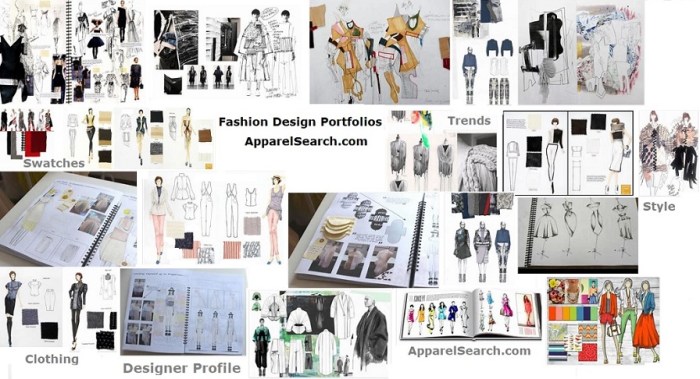
- High-quality photographs of your designs: Include clear, well-lit images that highlight the details and craftsmanship of your work.
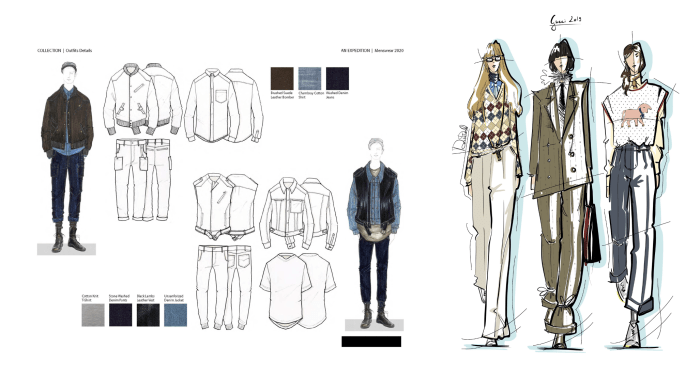
- Sketches and illustrations: Showcase your design process and creativity through sketches and illustrations of your ideas.
- Fabric swatches and material samples: Provide tangible examples of the materials you work with and your attention to texture and quality.
- Technical drawings and specifications: Demonstrate your understanding of garment construction and ability to communicate design details.
Showcasing Creativity and Versatility in a Portfolio
- Include a variety of projects: Display a range of styles, techniques, and inspirations to showcase your versatility as a designer.
- Add personal touches: Infuse your portfolio with your unique aesthetic and creative vision to stand out from other applicants.
- Create mood boards: Use visual references such as mood boards to communicate your design concepts and inspirations effectively.
Importance of Visual Presentation and Organization
- Keep it visually appealing: Use a clean and cohesive layout that enhances the overall presentation of your work.
- Organize by theme or project: Group similar designs together to create a cohesive narrative and make it easier for viewers to navigate your portfolio.
- Prioritize quality over quantity: Select your best work to include in your portfolio and ensure that each piece reflects your skills and aesthetic.
Tailoring a Portfolio to Different Job Applications
- Research the company: Tailor your portfolio to align with the aesthetic and values of the company you are applying to.
- Highlight relevant experience: Showcase projects and designs that are most relevant to the position you are applying for to demonstrate your suitability for the role.
- Customize your presentation: Consider creating different versions of your portfolio to cater to different job opportunities and emphasize specific skills or experiences.
Fashion Design Jobs
When it comes to fashion design jobs, there are various roles available in the industry that cater to different aspects of the design process. From sketching and pattern-making to overseeing production and marketing, each role plays a crucial part in bringing a fashion collection to life.
Different Roles in the Fashion Design Industry
- Fashion Designer: Responsible for creating original designs and overseeing the entire design process.
- Pattern Maker: Translates the designer’s sketches into patterns that can be used to create garments.
- Merchandiser: Focuses on the business side of fashion, analyzing trends and sales data to create a profitable product line.
- Stylist: Works with designers to create cohesive looks for fashion shows, editorial shoots, or celebrity clients.
Requirements for Entry-Level vs Senior Roles
- Entry-Level Positions: Typically require a degree in fashion design or a related field, along with internships or entry-level experience. Strong technical skills and a portfolio showcasing creativity are essential.
- Senior Roles: Often require several years of experience in the industry, a proven track record of successful designs, and strong leadership skills. Advanced knowledge of design software and the ability to manage a team are also important.
Importance of Networking
Networking is crucial in the fashion industry, as many job opportunities are found through connections and referrals. Attending industry events, fashion shows, and design conferences can help you meet key players and expand your professional circle.
Creating a Standout Resume and Cover Letter
- Highlight Relevant Experience: Tailor your resume to showcase relevant skills and experience in fashion design, including internships, freelance projects, and coursework.
- Showcase Your Portfolio: Include a link to your online portfolio or attach samples of your work that demonstrate your design aesthetic and technical abilities.
- Craft a Compelling Cover Letter: Customize your cover letter for each job application, expressing your passion for fashion design and why you are the ideal candidate for the role.
Wrap-Up
In conclusion, mastering the art of fashion designer portfolio tips is key to opening doors in the dynamic fashion industry. By incorporating essential elements and showcasing your creativity, you can elevate your portfolio to new heights and secure your dream job.
FAQ Corner
How can I tailor my portfolio for different job applications?
Include a variety of projects that showcase your versatility and ability to adapt to different design aesthetics.
What are the key elements to include in a fashion designer’s portfolio?
Essential elements include sketches, mood boards, completed projects, and any relevant design work that highlights your skills.


