Step into the vibrant world of Fashion Designer Careers, where creativity meets passion, and every stitch tells a story. Explore the intricate details of this artistic journey and unveil the magic behind the runway glamour.
Discover the essence of fashion design, from sketch to showcase, and witness the transformation of fabrics into masterpieces that adorn the world.
Overview of Fashion Designer Careers
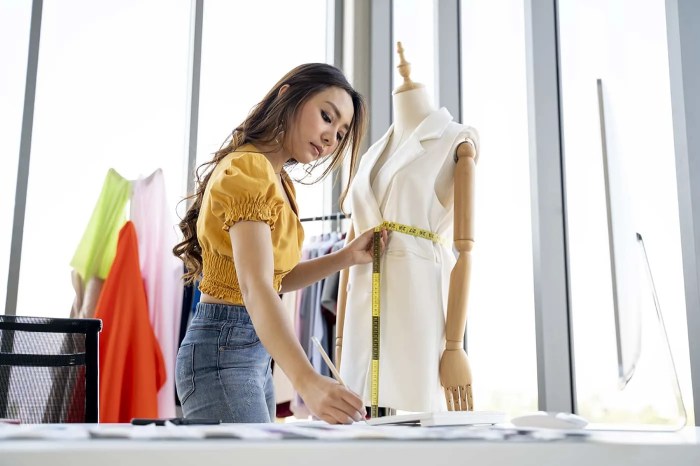
In the world of fashion, a fashion designer plays a crucial role in creating innovative and stylish clothing and accessories. They are responsible for conceptualizing, designing, and creating pieces that appeal to the target market and reflect the latest trends.
Role of a Fashion Designer
- Developing ideas for new collections
- Creating sketches and mood boards
- Selecting fabrics and materials
- Overseeing the production process
- Collaborating with other professionals in the industry
Typical Duties and Responsibilities
- Researching current fashion trends
- Attending fashion shows and events
- Meeting with clients to understand their needs
- Making adjustments to designs based on feedback
- Ensuring the final product meets quality standards
Skills and Qualities Needed to Succeed
- Creativity and artistic ability
- Strong attention to detail
- Excellent communication and teamwork skills
- Knowledge of design software and techniques
- Ability to work under pressure and meet deadlines
Educational Requirements
Becoming a successful fashion designer requires a combination of talent, hard work, and the right education. Formal education plays a crucial role in preparing aspiring designers for the competitive fashion industry by providing them with essential skills, knowledge, and opportunities to grow and thrive in their careers.
Educational Path
Aspiring fashion designers typically start by earning a Bachelor’s degree in fashion design or a related field from an accredited institution. This foundational education helps students develop their design skills, learn about textiles and fabrics, understand fashion trends, and gain hands-on experience through internships and projects.
Importance of Formal Education
Formal education in fashion design is important because it provides aspiring designers with a solid foundation in design principles, garment construction, pattern making, and fashion illustration. It also allows them to learn about the business side of the industry, including marketing, merchandising, and retailing.
Types of Degrees and Certifications
- Bachelor’s Degree in Fashion Design: This degree program typically takes four years to complete and covers a wide range of topics related to fashion design, including design theory, pattern drafting, draping, and portfolio development.
- Associate Degree in Fashion Design: An associate degree in fashion design usually takes two years to complete and provides a solid foundation in design principles, fashion history, and garment construction.
- Certification Programs: There are also short-term certification programs available for aspiring fashion designers who want to specialize in specific areas such as textile design, fashion merchandising, or fashion marketing.
Specializations in Fashion Design
Within the field of fashion design, there are various specialization areas that designers can choose to focus on. Each specialization requires specific skills and knowledge to excel in that particular area.
Haute Couture
Haute couture is a high-end segment of fashion design that focuses on creating custom-made garments for individual clients. Designers in this specialization work with luxurious fabrics and intricate detailing to create one-of-a-kind pieces. To succeed in haute couture, designers need to have a strong understanding of garment construction, draping, and tailoring.
Ready-to-Wear
Ready-to-wear, also known as prêt-à-porter, is a more mass-market approach to fashion design. Designers in this specialization create collections of clothing that are produced in larger quantities and sold in stores. Ready-to-wear designers need to have a keen eye for trends, as well as the ability to design clothing that is both stylish and commercially viable.
Sustainable Fashion
Sustainable fashion is a growing specialization within the industry that focuses on creating clothing in an environmentally and socially responsible way. Designers in this field work with eco-friendly materials, ethical production practices, and innovative design techniques to reduce the fashion industry’s impact on the planet. To succeed in sustainable fashion, designers need to have a deep understanding of sustainable materials, supply chain management, and circular design principles.
Job Opportunities for Fashion Designers
Fashion designers have various career paths to explore, each offering unique opportunities for growth and creativity. Whether working for established fashion houses, starting their own brand, or freelancing, fashion designers can carve out a successful career in the industry.
Working for Fashion Houses
Many fashion designers begin their careers by working for renowned fashion houses, where they can gain valuable experience, exposure to the industry, and access to resources. This path allows designers to collaborate with teams, work on diverse projects, and contribute to the creation of high-end fashion collections.
Starting a Personal Brand
For those with an entrepreneurial spirit, starting a personal brand can be a rewarding career path. By establishing their own fashion label, designers have the freedom to express their unique style, build a loyal following, and create a brand identity that resonates with their target audience.
Freelancing
Freelancing offers fashion designers the flexibility to work on a project basis, collaborate with different clients, and showcase their creativity across various platforms. This career path allows designers to work on diverse projects, experiment with different styles, and establish a versatile portfolio.
Collaborating with Industry Professionals
Fashion designers can collaborate with other industry professionals, such as stylists, photographers, and marketers, to bring their creative vision to life. By working with a team of experts, designers can enhance the quality of their work, reach a wider audience, and create impactful fashion campaigns.
Fashion Design Jobs
Fashion designers play a crucial role in the fashion industry by creating unique and innovative clothing designs. They are responsible for bringing their creative vision to life through sketches, fabric selection, and overseeing the production process.
Day-to-Day Tasks of a Fashion Designer
- Creating sketches and designs for clothing and accessories.
- Choosing fabrics, trims, and other materials for garments.
- Collaborating with team members to develop and finalize designs.
- Attending fittings and making adjustments to designs as needed.
- Staying updated on industry trends and consumer preferences.
How Fashion Designers Create Sketches and Choose Fabrics
- Fashion designers often start by sketching their ideas on paper or using computer-aided design (CAD) software.
- They then choose fabrics, colors, and textures that best fit their design concept.
- After finalizing the design and fabric choices, they create detailed technical drawings for production.
Overseeing the Production Process
- Fashion designers work closely with manufacturers and production teams to ensure that their designs are brought to life accurately.
- They may visit factories to oversee the production process and make sure that quality standards are met.
- Communication and collaboration with production teams are essential to ensure that the final product matches the designer’s vision.
Importance of Staying Updated on Industry Trends
- Staying updated on industry trends and consumer preferences is crucial for fashion designers to create designs that resonate with their target audience.
- Attending fashion shows, reading fashion magazines, and following influential designers are ways for designers to stay informed about the latest trends.
- By understanding current trends and consumer preferences, fashion designers can create designs that are both innovative and marketable.
Epilogue
In the tapestry of Fashion Designer Careers, every thread weaves a tale of innovation and style. Embrace the challenges, celebrate the triumphs, and embark on a journey where your designs shape the future of fashion.
Popular Questions
What skills are essential for a successful fashion designer?
To excel in fashion design, creativity, attention to detail, and a deep understanding of trends are crucial.
How can aspiring fashion designers break into the industry without formal education?
Building a strong portfolio, networking with industry professionals, and gaining hands-on experience through internships or apprenticeships can help aspiring designers enter the field.
What is the significance of staying updated on industry trends for fashion designers?
Staying informed about emerging trends and consumer preferences is vital for fashion designers to create relevant and appealing designs that resonate with their target audience.


